Winter is here, the gym is about to get serious, and everyone's talking about their bulk. But if you're newer to lifting, the supplement aisle is a minefield. Mass gainers next to fat burners next to amino acids — it's overwhelming, and most of it is unnecessary.
This guide cuts through the noise. We're going to cover exactly what bulking is, the five fundamentals you need to get right before any supplement matters, and then the specific products that are actually worth your money during a bulk. Everything else can wait.
In This Guide
What Is Bulking (And What It Isn't)
Bulking simply means intentionally eating more calories than you burn so your body has the raw material to build new muscle tissue. Without a caloric surplus, muscle growth stalls — your body won't build what it doesn't have resources to build.
A clean bulk means keeping that surplus moderate — roughly 300 to 500 extra calories per day — so the weight you gain is mostly muscle rather than fat. A dirty bulk means eating whatever you want to hit a huge surplus. Dirty bulks do put on mass faster, but a large portion of it is fat that you'll have to cut later. For beginners, a clean bulk is almost always the smarter approach.
The good news: as a beginner, you have something advanced lifters don't — newbie gains. Your body responds dramatically to training stimulus it's never experienced before. With the right foundation in place, beginners can often build muscle and strength faster in their first year than at any other point in their lifting career.
The 5 Bulking Fundamentals That Come Before Supplements
Before we get into supplements, we need to cover the non-negotiables. These are the actual drivers of muscle growth. If these aren't in order, no supplement stack will save you.
Muscle can't be built in a deficit. Calculate your Total Daily Energy Expenditure (TDEE) and add 300–500 calories. Use a free app like Cronometer for a week to understand what that actually looks like in food. Consistency over perfection: hitting 90% of your target every day beats hitting 150% twice a week.
Protein provides the amino acids your muscle fibers need to repair and grow after training. The research is consistent: aim for 0.7 to 1 gram per pound of bodyweight per day. At 180 lbs, that's 126–180g of protein daily. If you're struggling to hit this through food alone, a good whey protein is the first supplement worth adding.
Your muscles only grow when they're forced to handle more than they're used to. Progressive overload means gradually increasing the demand on your muscles over time — adding weight, reps, or sets from week to week. If you're doing the same workout with the same weights you used three months ago, your body has no reason to change. Track your lifts.
70% of your growth hormone is released during deep sleep. Testosterone — your primary muscle-building hormone — is produced during sleep cycles. Skimp on sleep and you're literally undermining the gains you worked for in the gym. Sleep isn't recovery time, it's growth time. Treat it that way.
Muscle is built in months, not weeks. The supplement industry wants you to think otherwise, but the biology is clear: meaningful muscle mass accumulation takes time. A beginner who trains consistently for a full year with good nutrition and sleep will see results that look almost unbelievable compared to what two or three months produces. Trust the process.
The Best Supplements for Bulking — Ranked by Impact
Now that the foundation is covered, here's what's actually worth your money during a bulk. We've ranked these by how big of an impact they can realistically have on your results.
Creatine is the most researched performance supplement in history with decades of safety data behind it. It works by increasing your muscles' phosphocreatine stores, which directly boosts your capacity for short bursts of high-intensity effort — the exact kind that drives muscle growth. Studies consistently show 5–15% increases in strength and power output.
During a bulk, creatine means heavier weights, more reps, and more progressive overload. That translates directly into more muscle. It also draws water into muscle cells, creating a fuller, more "pumped" appearance even at rest.
Whey protein isn't magic — it's food in a convenient form. Its value is in making it easy and affordable to hit your daily protein target. Whey isolate is absorbed quickly, making it ideal post-workout when your muscles are most receptive to amino acids. During a bulk when you're eating large amounts of food, whey helps you hit protein targets without having to force down another chicken breast.
If you're already hitting 0.8g+ of protein per pound through whole foods, whey is less necessary. But for most beginners, it's the most practical tool for consistent protein intake.
Mass gainers are only relevant for one specific type of person: those who genuinely struggle to eat enough calories. If you're naturally thin, have a fast metabolism, or find yourself full after a moderate meal, hitting a 300–500 calorie surplus through whole food alone can feel nearly impossible.
A quality mass gainer gives you 1,000+ calories, 50g+ of protein, and significant carbohydrates in a single drink. It's not a shortcut — it's a calorie delivery system for people who need it. If you can hit your surplus through food, skip the mass gainer and spend that money on whole foods.
L-Glutamine is the most abundant amino acid in human muscle tissue, and it gets depleted rapidly during heavy training. During a bulk when training volume is high, glutamine supports faster muscle recovery between sessions, which means you can train harder and more frequently without overloading your recovery capacity.
An underappreciated benefit during a bulk: glutamine supports gut health and intestinal lining integrity. When you're eating large amounts of food to hit a caloric surplus, gut health directly impacts how well you absorb and utilize those nutrients. Healthy gut = better nutrient uptake = better gains.
Zinc is critical for testosterone production, protein synthesis, and immune function — three systems that are under significant stress during a heavy training phase. Many athletes are zinc-deficient without realizing it, since zinc is depleted through sweat. Low zinc levels directly correlate with lower testosterone, which is the last thing you want during a bulk.
When supplementing zinc, copper must be included to maintain proper mineral balance — high zinc intake without copper can cause a copper deficiency over time. Quality supplements pair them together in the right ratio, which is exactly what Thorne's formulation does.
During high-volume bulk training, your sweat rate increases significantly. Sodium, potassium, and magnesium are lost through sweat and need to be replaced for proper muscle function. Cramps, fatigue, and poor endurance during workouts are often electrolyte problems masquerading as training problems.
This is especially relevant in winter when indoor training creates a lot of sweat without the external temperature cue to drink more. A solid electrolyte supplement with no sugar keeps hydration dialed in without unwanted calories.
Our November 2026 Bulking Picks
These are the specific products from our November 2026 picks list that we chose specifically for bulking season. Each one was selected based on ingredient quality, third-party testing, and value.

The most recognized mass gainer in the industry for a reason. 1,250 calories and 50g of protein per serving — it handles your caloric surplus and protein needs in one drink. For skinny beginners who genuinely can't eat enough through whole food, this is the most practical tool on the market. Trusted for decades, affordable, and widely available.
Pros
- 1,250 calories — massive surplus in one serving
- 50g blended protein (whey + casein)
- 25 vitamins and minerals included
- Best value mass gainer on the market
Cons
- Not for people who don't struggle with calories
- Contains sugar — not a "clean" formula
- Blended protein (not isolate)

The most underrated beginner supplement for bulking. Supports muscle recovery between sessions, gut health during high-calorie eating phases, and immune function during heavy training. Pure L-Glutamine powder at 5g per serving — no fillers, no flavors, no gimmicks. Mixes into any shake or water without changing the taste. NOW Foods is one of the most reputable value brands in the supplement space.
Pros
- 5g pure L-Glutamine — clinical dose
- Unflavored — mixes into anything
- Excellent value for the quantity
- Trusted brand with rigorous QC
Cons
- Not third-party certified (NSF/Informed Sport)
- Requires consistent daily use to see results
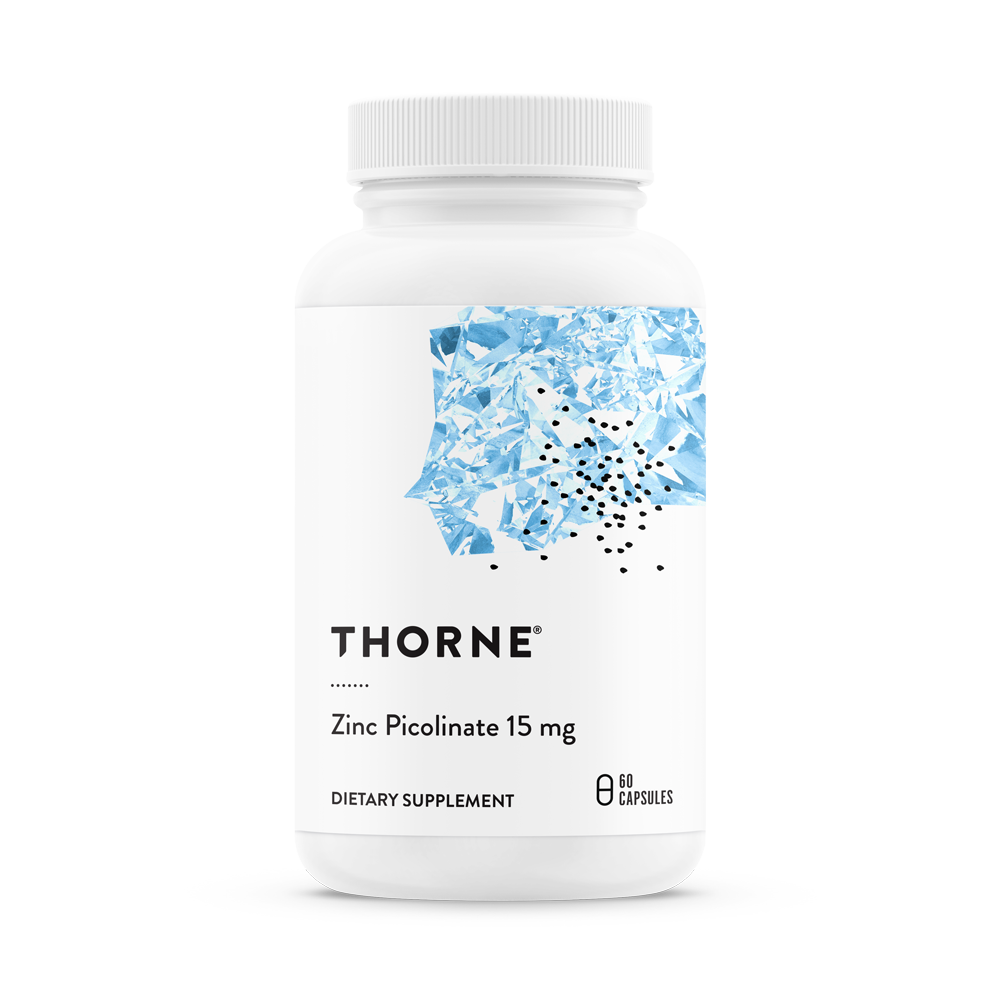
An underrated addition to any bulking stack. Zinc is directly tied to testosterone production and protein synthesis — two systems that are critically important during a growth phase. Athletes lose significant zinc through sweat, and deficiency is more common than most people realize. Thorne's formulation pairs zinc with copper to prevent the mineral imbalance that zinc-only supplements can cause. NSF Certified for Sport means it's been tested for purity and accuracy.
Pros
- NSF Certified for Sport — elite purity standard
- Proper zinc + copper ratio
- Supports testosterone and immune function
- Trusted brand used by professional athletes
Cons
- Premium price point vs. generic zinc
- Results are subtle — not dramatic overnight
5 Common Bulking Mistakes Beginners Make
Most beginners make the same handful of mistakes. Avoid these and you'll be well ahead of the curve.
A 300–500 calorie surplus is enough. More than that doesn't build muscle faster — it just builds more fat. Aggressive dirty bulks often lead to needing a long, discouraging cut later. Slow and steady wins the composition game.
You can eat 4,000 calories a day and still not build muscle effectively if your protein is too low. Food quality matters. If you're eating a 500-calorie surplus but most of it is coming from refined carbs and fat, you're not giving your muscles what they need to grow.
Creatine has decades of safety and efficacy data behind it. If you're not taking it, you're leaving free gains on the table. The hesitation beginners have about creatine is almost always based on myths. It's water, not dangerous, and it's the single most effective legal performance supplement available.
If you're not tracking your lifts and your weight, you're flying blind. Take weekly weigh-ins at the same time (morning, after bathroom, before eating), track your lifts in a notebook or app, and take monthly progress photos. The data tells you whether your bulk is working — your feelings about how you look day-to-day are unreliable.
You don't need 12 different supplements during a bulk. The vast majority of your results will come from food, training, and sleep. Creatine, protein, and potentially a mass gainer if you're a hard gainer — that's the core stack that actually matters. Everything else is marginal. Keep it simple and spend the money you'd waste on fancy supplements on better food instead.
The Simple Beginner Bulking Stack
Here's the no-fluff, priority-ordered stack for a beginner bulking season:
The total monthly cost of Tier 1 is typically $30–50. Tier 2 adds $20–40. Tier 3 adds another $30–60. You don't need to buy everything at once — build the stack layer by layer as your budget and consistency allows.
See Our Full November 2026 Picks
Our November picks are built around bulking season — including Serious Mass, L-Glutamine, Thorne Zinc/Copper, and 12 more curated selections.
View November Picks Get Monthly Updates← How to Sleep Better: The Complete Guide 2026 | November 2026 Picks →